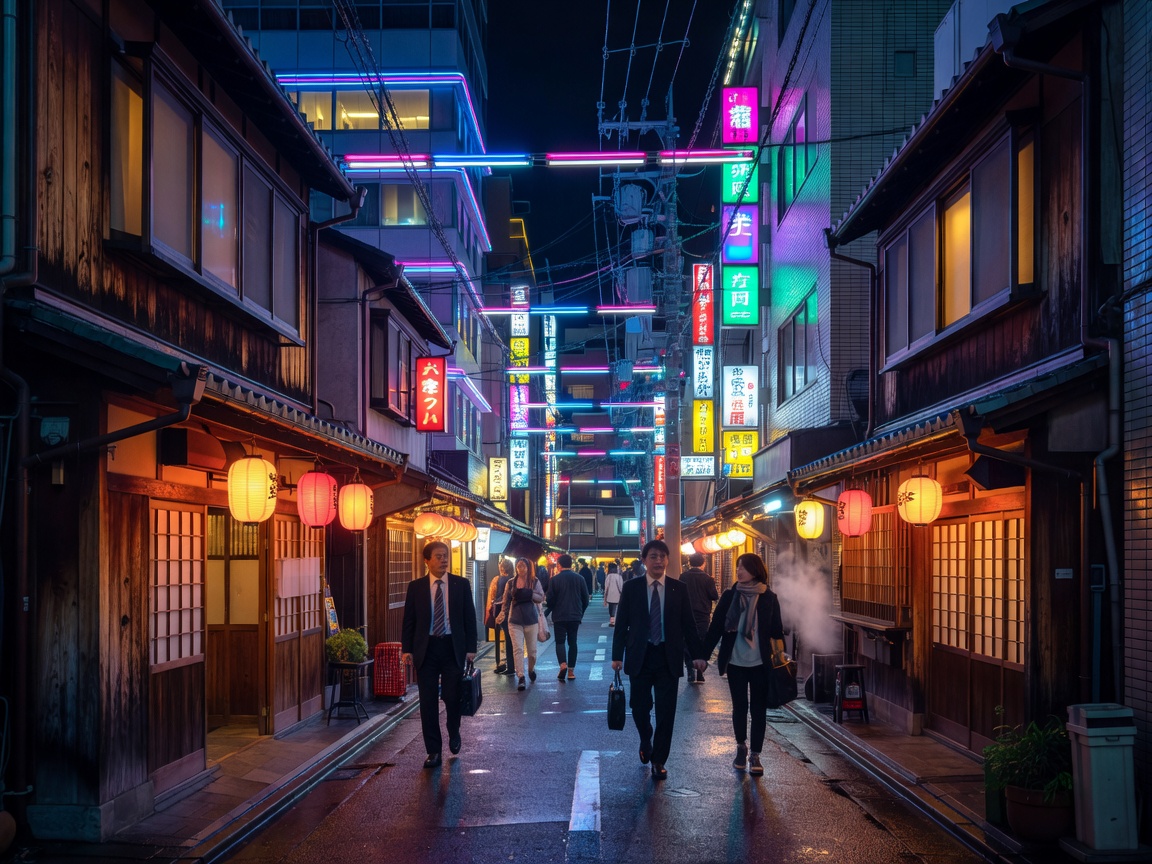
The Architecture of Tokyo's Nocturnal Alleys
Tucked immediately northwest of the world’s busiest railway terminal lies Omoide Yokocho (often translated as "Memory Lane"). Born as an illicit black market following World War II in the late 1940s, this maze of tight timber corridors preserves a tactile intimacy that contrasts starkly with Shinjuku’s surrounding glass high-rises.
Walking through these alleys, the air is thick with the aroma of binchotan (white oak) charcoal, sizzling tsukune skewers, and simmering beef tendon pots (nikomi). Each miniature izakaya accommodates just five to eight guests, shoulder-to-shoulder with Tokyo commuters and local culinary veterans.
Phase 1: The Sunset Skewer Ritual (6:30 PM)
Begin at Asadachi or one of the independent counter stalls along the central alley. Order draft Sapporo or dry umeshu alongside a selection of tare-glazed yakitori and grilled shiitake. The unwritten etiquette here is concise: consume your dishes while hot, engage politely with the master chef, and make space for waiting patrons after approximately 45 minutes.
Phase 2: The Golden Gai Upper Floors (8:15 PM)
Walk ten minutes east across the rail tracks to Kabukicho’s Golden Gai—a grid of six slender alleyways packing over 200 micro-bars into two-story wooden shanties. While ground-level bars often welcome international walk-ins, the true cultural gems reside up the narrow staircases on the second and third floors.
- Bar Albatross: Victorian gothic chandeliers, red velvet walls, and bespoke craft gin infusions.
- Ace’s: Friendly multilingual bartenders and no cover charge for independent travelers.
- Kenzo's Bar: A cinema-themed refuge where directors and film critics gather over single malt whiskey.
Phase 3: High-Fidelity Vinyl Lounges (10:30 PM)
To conclude the evening, transition away from the energetic streets into one of Shinjuku's famed jazz kissa or audiophile vinyl bars, such as Jazz Spot Narita or Bar Track. Here, high-end tube amplifiers and vintage Tannoy loudspeakers deliver pure acoustic analog sound in an atmosphere of contemplative reverence.
Highlights & Advantages
- Unrivaled post-war architectural authenticity.
- Intimate social interaction with master chefs and locals.
- Exceptional artisanal charcoal grilling techniques.
- Safe and easily navigable on foot.
Important Considerations
- Cash (Yen) remains essential in many micro-establishments.
- Cover charges (Otoshi / seating fee) range between ¥500-¥1,000.
- Venues fill rapidly after 7:30 PM on Friday and Saturday.
Official Links & Transit Information
To verify train schedules and official station navigation layouts, consult the Tokyo Metro portal:
Official Tokyo Metro Transit Portal →